Carbon tube technologies

Carbon fiber tubes

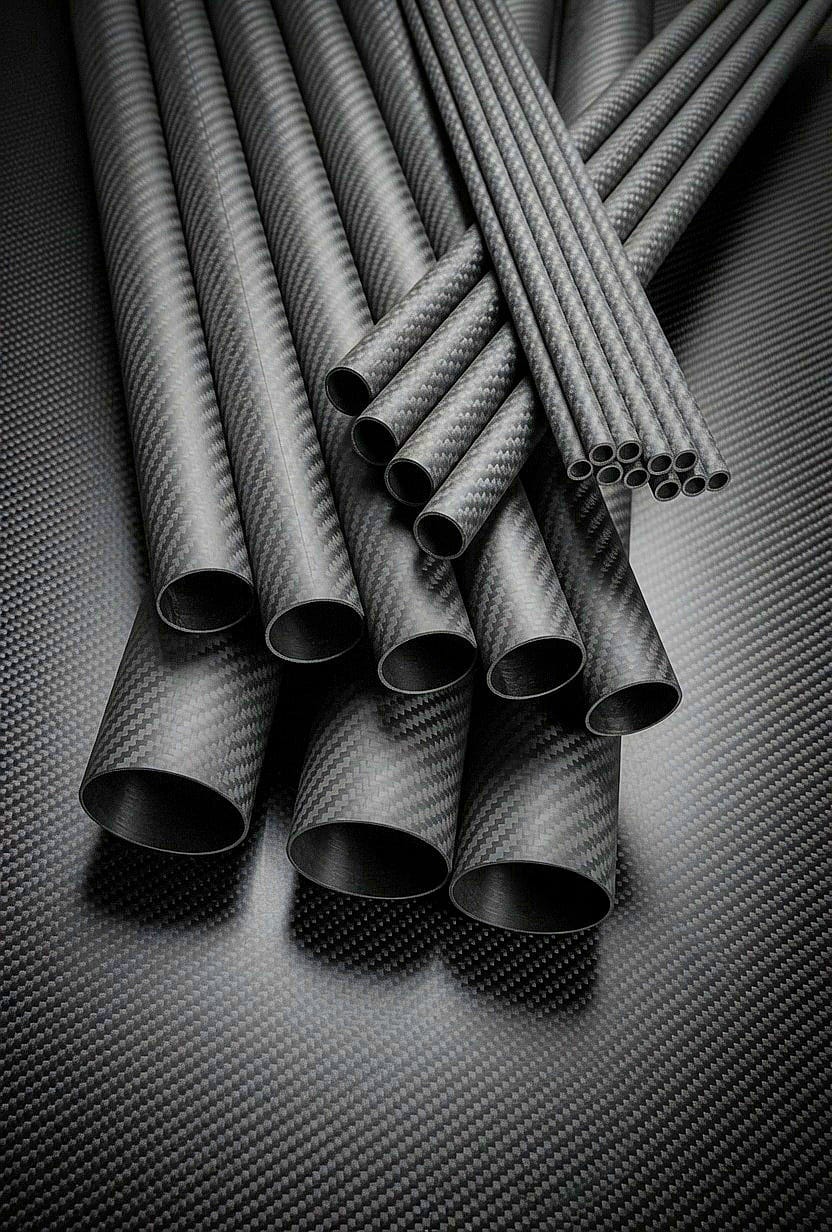
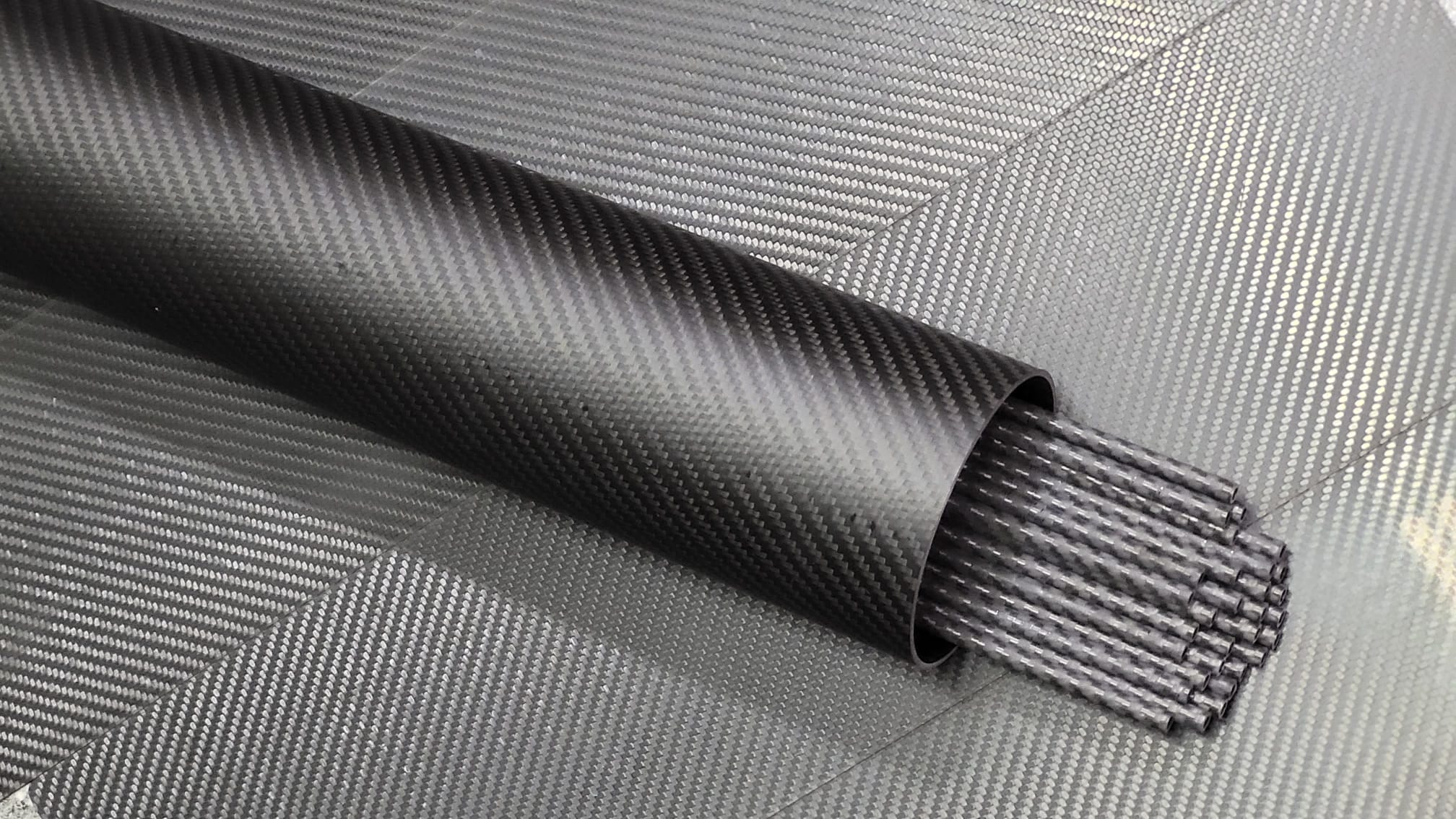
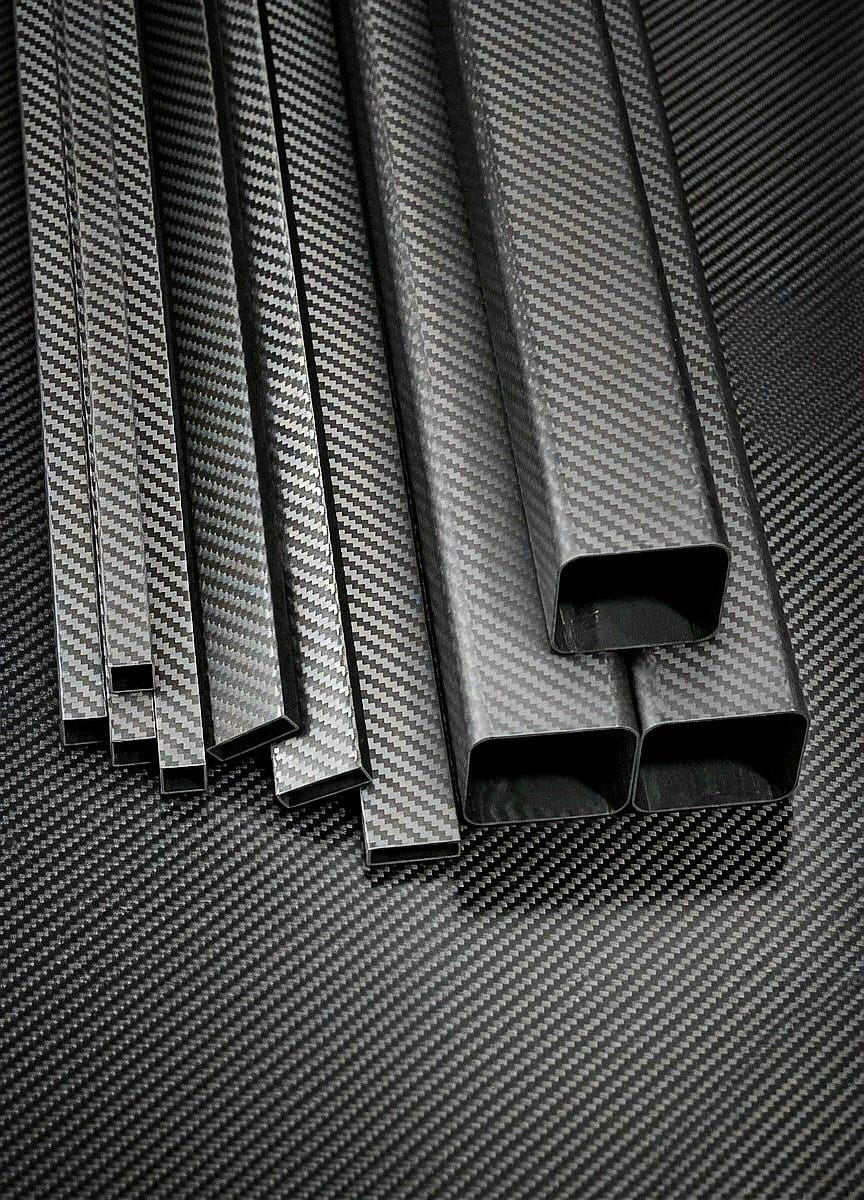
Carbon fiber tubes manufactured using Filament Winding and Roll-Wrapping technologies.

Inkarbo offers carbon fiber tubes manufactured using two primary technologies: Filament Winding and Roll-Wrapping.

Carbon-carbon composite plates cylinders and machined components
Main capability
Filament-wound tubes can reach up to 6–8 m and beyond, making them ideal for shafts, rollers and long structures.
Category overview

Two technologies for different engineering requirements.

Each manufacturing method offers unique benefits and is optimized for specific engineering and industrial applications.

Filament Winding is optimized for long tubes, rotating shafts, rollers, torsional performance, dynamic stability and high-performance engineering applications.

Roll-Wrapping is widely used for structural, decorative and engineering applications where classic carbon fiber appearance, cost efficiency and flexible small production runs are important.

Key Metrics

Tube technology comparison

Choose Filament Winding for long, rotating and high-performance tubes. Choose Roll-Wrapping for standard structural, decorative and cost-effective carbon tube projects.

6–8 m+ Filament-wound tube length
2.5 m Typical roll-wrapped tube length
High-speed Filament winding for rotation
Plain / Twill Roll-wrapped appearance

Comparison of Carbon Tube Manufacturing Technologies

Filament Winding and Roll-Wrapping offer different advantages depending on length, stiffness, rotation, appearance and budget requirements.

Feature Filament Winding Roll-Wrapped
Maximum Length Up to 6–8 m and beyond Typically up to 2.5 m
Dimensional Accuracy Excellent concentricity and uniform wall thickness Suitable for most structural applications
Balance at Rotation Ideal for rotating shafts and rollers Generally not intended for high-speed rotating applications
Torsional Performance Optimized through controlled fiber winding angles Limited by fabric layer orientation
Strength-to-Weight Ratio Maximum efficiency of carbon fiber utilization May require thicker walls to achieve similar performance
Dynamic Performance Excellent vibration damping and dynamic stability Suitable for standard structural applications
Surface Appearance Distinctive winding pattern with various finish options Classic carbon fiber appearance in Plain or Twill weave
Color Options Limited decorative possibilities Colored carbon fabrics available
Machining and Grinding Can be ground to a precise diameter with minimal impact on performance Extensive grinding may affect appearance and outer-layer properties
Economic Efficiency Optimized for high-performance applications Cost-effective solution for most projects
Typical Applications Drive shafts, industrial rollers, aircraft structures, telescopic systems, robotics, high-performance engineering applications UAV and drone structures, sports equipment, medical devices, instrumentation, engineering structures, decorative and design projects